

Program Objective
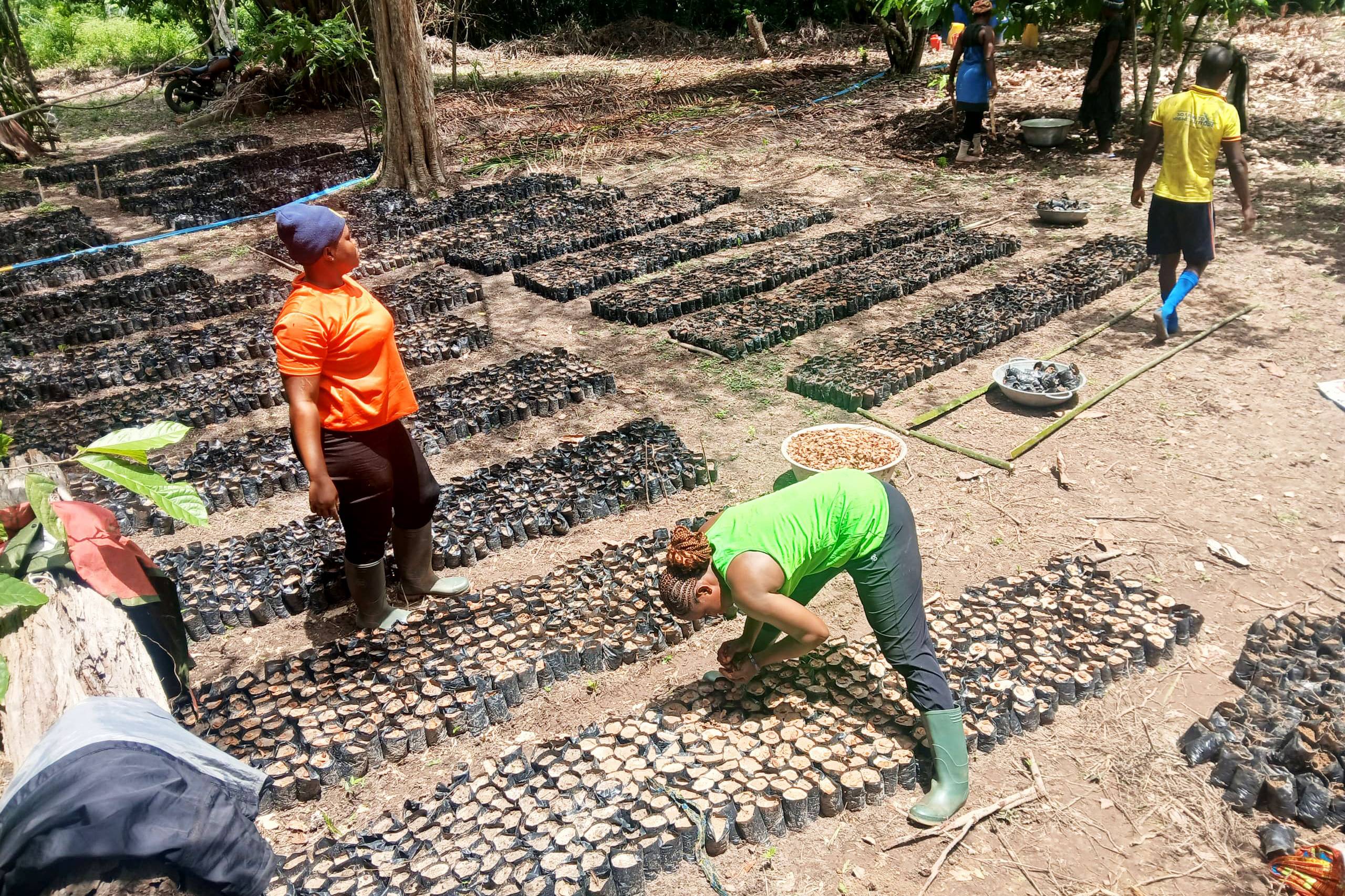
The primary objective is to cultivate an initial 300 acres of cocoa under an agroforestry system, integrating high value timber and fruit trees to enhance biodiversity, improve soil health, and provide long term income diversification for the venture and surrounding farming communities.
Farm Locations
The cocoa agroforestry sites are strategically located across three regions of Ghana, each chosen for suitable climate, soil conditions, and access to water resources:
Region: Eastern Region
Key Characteristics: Proximity to major transport routes, established farming infrastructure
Region: Central Region
Key Characteristics: Good rainfall pattern, existing cocoa and plantain growing areas
Region: Western North Region
Key Characteristics: High potential for cocoa, well suited for timber species integration
Agroforestry Design & Companion Crops
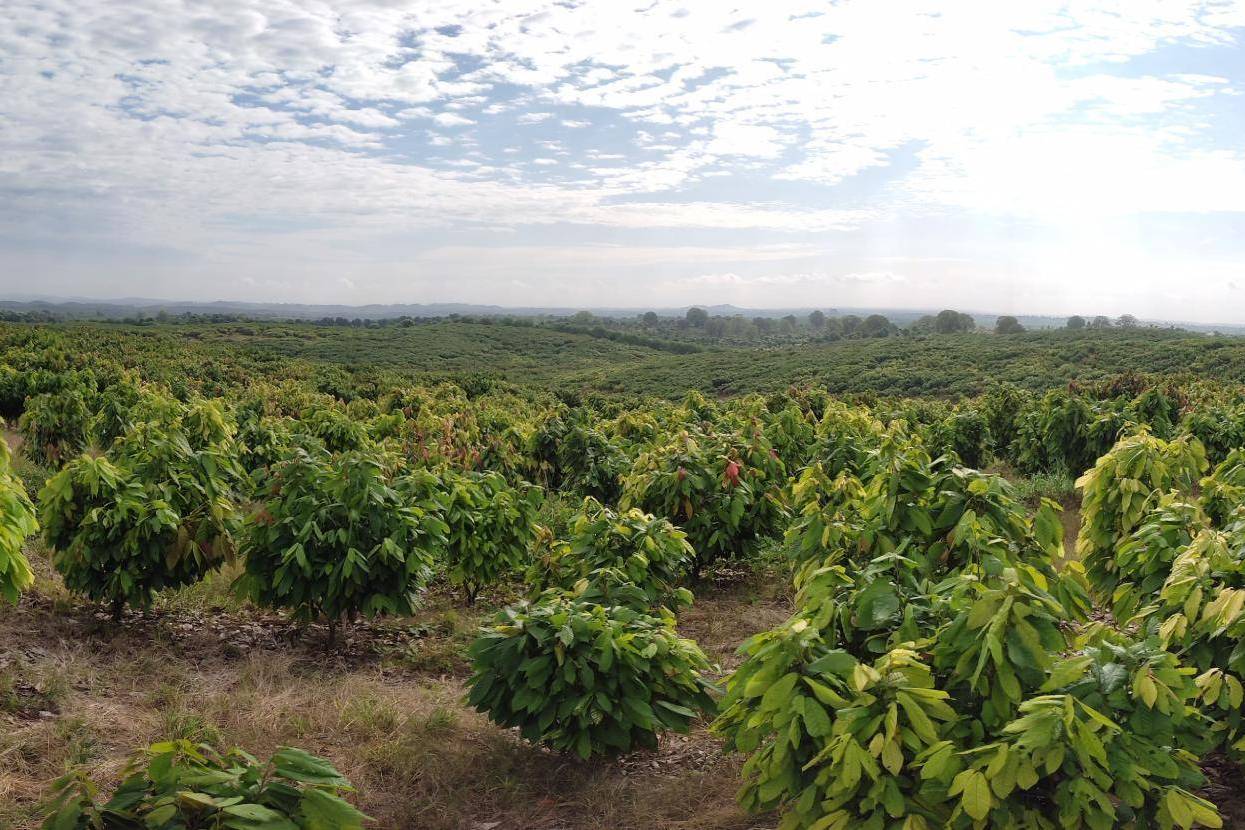
The system follows a phased canopy management approach. In the initial years – before the upper tree canopy closes – the inter rows will be planted with plantain. This provides:
- Early income (plantain harvests begin within 9–12 months)
- Shade regulation for young cocoa seedlings
- Ground cover to suppress weeds and reduce erosion
Tree Species (Timber Component)
The following indigenous and naturalised timber species are being planted to provide shade, organic matter, and future high value timber revenue:
- Emire (Terminalia ivorensis)
- Ofram (Terminalia superba)
- Mahogany (Khaya spp.)
- Wawa (Triplochiton scleroxylon)
These species are selected for their compatibility with cocoa, fast growth, and premium timber prices.
Irrigation System
To ensure optimal cocoa establishment and sustained high yields – even during dry spells – the entire 300 acre area will be equipped with drip irrigation systems. Key features include:
- Water delivered directly to the root zone of each cocoa tree, reducing evaporation and water waste
- Ability to maintain consistent soil moisture throughout the dry season (November–March)
- Improved flowering, pod setting, and bean quality compared to rain fed systems
- Potential to achieve yields significantly above the national average (target: 1,200–1,500 kg/ha vs. current Ghana average of ~450–500 kg/ha)
Expected Outcomes
- Short term (Year 1–3): Plantain harvests generate early revenue; cocoa trees establish under irrigation.
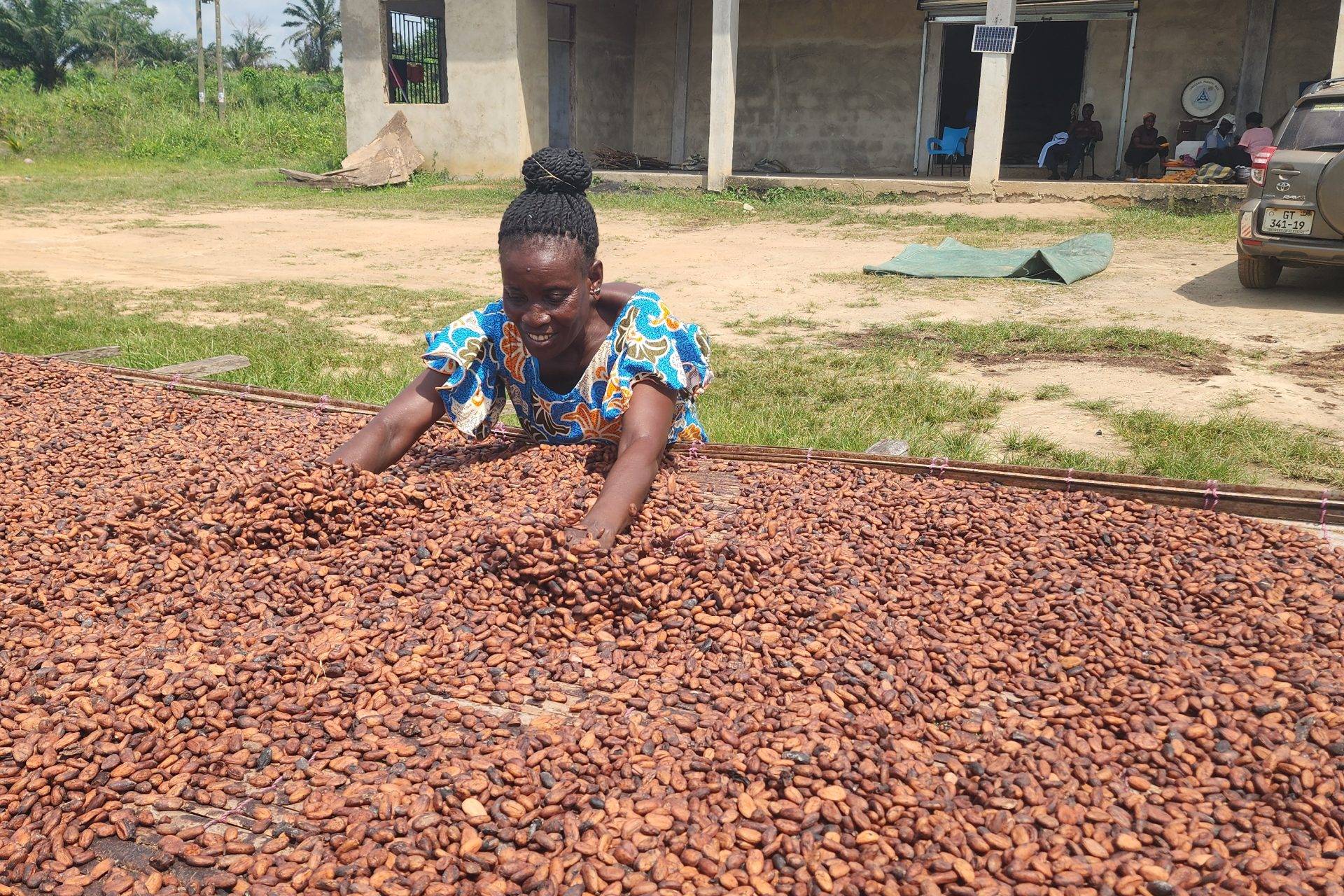
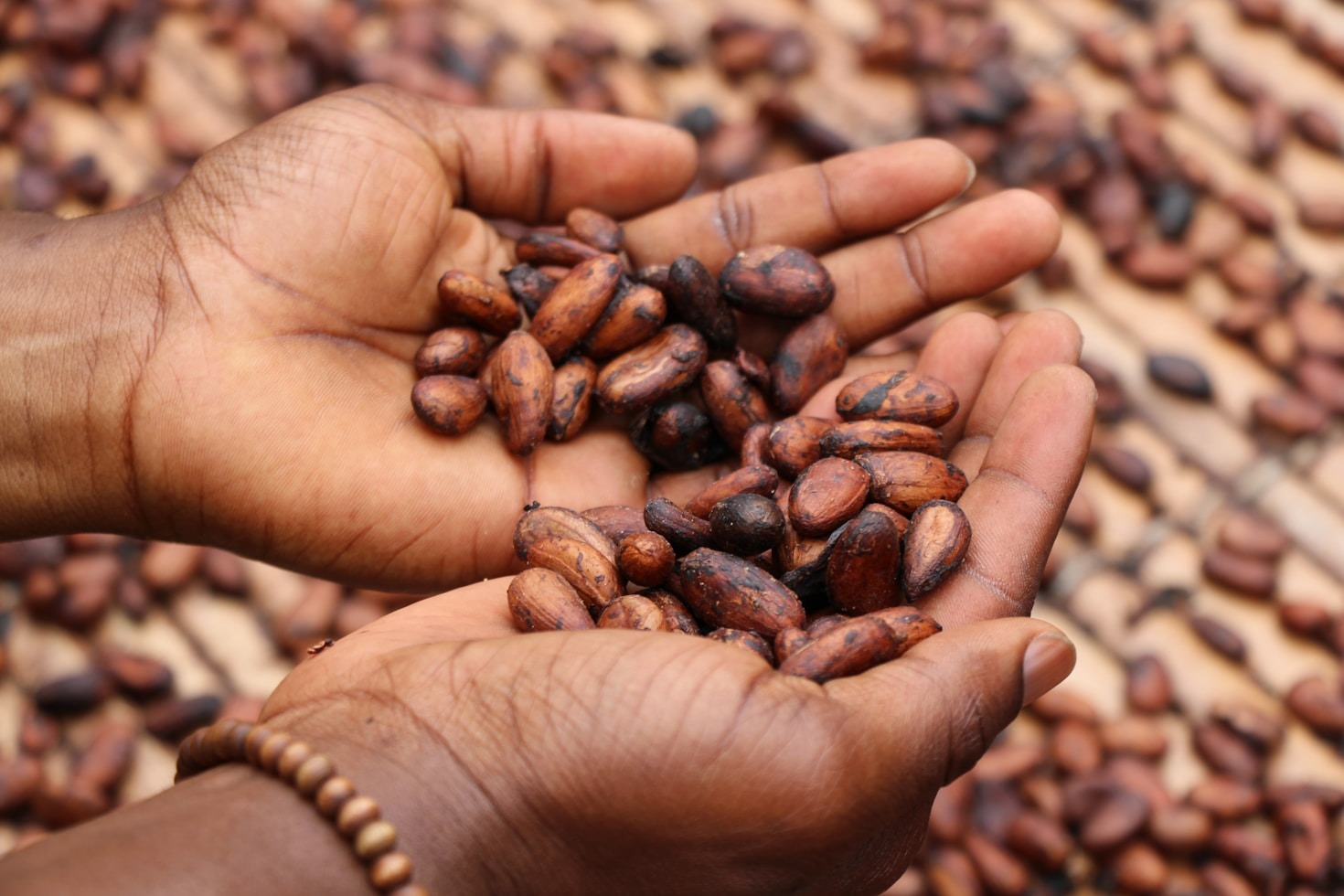
- Medium term (Year 4–6): Cocoa begins bearing commercial yields; timber trees develop canopy.
- Long term (Year 10+): Harvest of high value timber (emire, ofram, mahogany, wawa) provides a substantial second income stream; the agroforestry system becomes fully self sustaining.
Environmental and Social Benefits
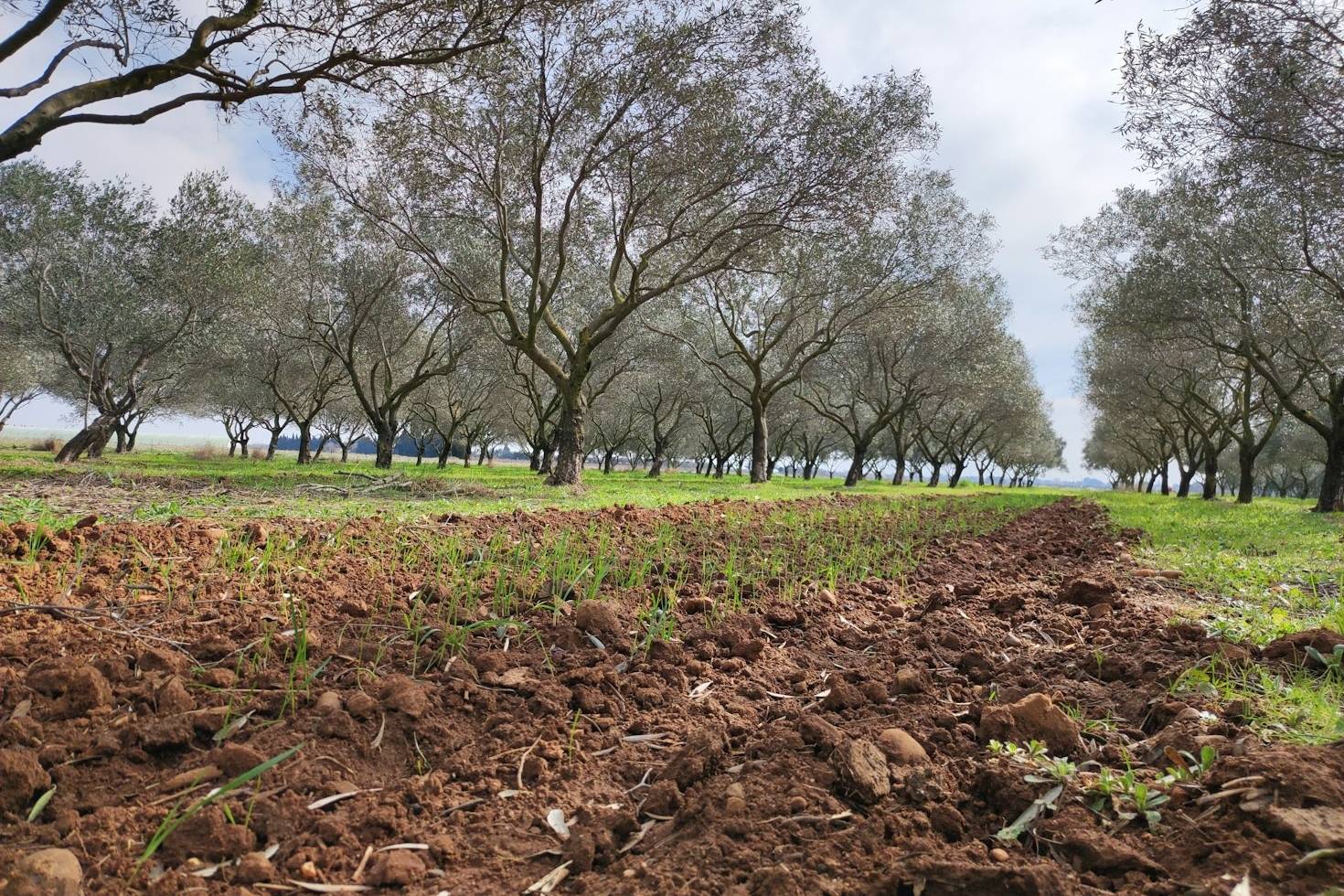
- Carbon sequestration through perennial tree cover
- Enhanced biodiversity (habitat for birds, insects, and soil microorganisms)
- Reduced need for synthetic fertilisers and pesticides (natural leaf litter and shade regulate pests)
- Employment for local communities in planting, maintenance, harvesting, and irrigation management
Governance and Management
KBP Emfed Agroforestry Limited operates as a standalone entity with its own board, management, and operational teams. Day to day activities are supervised by an experienced agronomy team, with technical support from the partners’ agricultural networks in Ghana and Europe.