

Pillar 01
Environmental Conservation & Restoration
Many farmlands in our communities bear the severe scars of illegal mining — galamsey — leaving behind polluted water bodies, stripped soil, and lost forest cover. The Foundation is committed to reversing this damage and building climate-resilient, productive landscapes for future generations.
Large-scale planting of indigenous timber species — emire, ofram, mahogany, and wawa — integrated with crops in agroforestry systems. This restores forest cover, improves soil fertility, sequesters carbon, and provides future income for farming families.
Proven land restoration techniques including backfilling and reshaping mined pits, revegetation with fast-growing native species, bioremediation of heavy metals, and construction of small-scale water retention structures to re-establish local hydrology.
Training workshops on avoiding bushfires, reducing deforestation, and adopting climate-smart agricultural practices — empowering communities to protect and manage their own environment.
Collaboration with forestry commissions, environmental NGOs, and research institutions to access technical expertise and funding for large-scale restoration initiatives.
3 Active Regions for Environmental Restoration Programmes
Species for Reforestation
- Emire (Terminalia ivorensis)
- Ofram (Terminalia superba)
- Mahogany (Khaya species)
- Wawa (Triplochiton scleroxylon)
- Indigenous fruit & shade trees
- Fast-growing cover crops for revegetation
CO₂ Carbon sequestration through integrated agroforestry — contributing to Ghana's climate commitments
Pillar 02
Community Health & Well-being
Preventable illness and lack of access to healthcare continue to diminish the quality of life and economic potential of rural communities. The Foundation is committed to bringing primary healthcare closer to the people who need it most.
Building and equipping Community-based Health Planning and Services (CHIPS) Compounds in selected communities, providing basic outpatient care, maternal and child health services, and health education.
Identifying and registering vulnerable community members — the elderly, persons with disabilities, and low-income farming households — onto the NHIS, removing financial barriers to medical care.
For life-threatening conditions or emergency surgery, the Foundation will pay medical bills for community members who cannot afford treatment — a critical safety net where none exists.
A free, multi-specialty health screening camp held once a year — open to all community members — covering a comprehensive range of health conditions for early detection and intervention.
Cancer Awareness & Screening (October)
Dedicated breast, cervical, and prostate cancer screening sessions each October in partnership with regional health authorities, combined with education on early detection and risk reduction.
1× Annual free multi-specialty medical screening camp — open to all community members
Annual Screening Covers
-
Blood pressure & cardiovascular check
-
Blood sugar (diabetes screening)
-
Malaria & typhoid tests
-
Vision assessment
-
Basic dental checks
-
Breast, cervical & prostate cancer screening (October)
NHIS Registration support for the elderly, persons with disabilities, and low-income farming households
Pillar 03
Education & Youth Development
Education is the most powerful force for breaking intergenerational poverty. The Foundation’s education interventions address immediate learning needs while creating pathways for the most talented young people to go further than their circumstances might otherwise allow.
Provision of school supplies — notebooks, pens, uniforms, and bags — and payment of termly fees for pupils in public basic schools, from kindergarten through Junior High School.
Students who achieve outstanding results in the Basic Education Certificate Examination (BECE) are sponsored to attend Senior High School. Scholarships may cover tuition, books, boarding fees, and a modest upkeep allowance.
Subject to available funding, the Foundation will build new classroom blocks — with furniture and sanitary facilities — in communities with overcrowded or dilapidated schools, prioritising those with the greatest infrastructure deficit.
KG–JHS School support from kindergarten through Junior High School
Scholarship Support Package
-
Senior High School tuition fees
-
Textbooks & learning materials
-
Boarding house fees
-
Modest upkeep allowance
-
Academic mentorship & monitoring
BECE Scholarship eligibility tied to outstanding performance in the Basic Education Certificate Examination
Pillar 04
Water, Sanitation & Hygiene (WASH)
Clean water and proper sanitation are not privileges — they are fundamental rights and foundations of health. Many rural communities in our operating areas still lack reliable access to both. The Foundation’s WASH programme delivers tangible, infrastructure-level change.
Drilling boreholes and installing mechanised water supply systems in communities currently without reliable access to safe drinking water — a direct intervention against waterborne disease.
Community workshops on handwashing, food hygiene, and menstrual hygiene management — building lasting behaviour change that protects health long after the programme ends.
Construction or rehabilitation of public toilet facilities and community waste disposal systems in collaboration with District Assemblies — improving dignity, privacy, and public health simultaneously.
Borehole drilling & mechanised water systems for communities without safe drinking water access
Hygiene Education Topics
- Proper handwashing techniques
- Food hygiene & safe storage
- Menstrual hygiene management (MHM)
- Safe water handling & storage
- Community sanitation responsibilities
WASH (Water, Sanitation & Hygiene) — implemented in collaboration with District Assemblies
Pillar 05
Economic Empowerment & Social Credit
Financial exclusion traps capable farmers, traders, and entrepreneurs in cycles of poverty — forcing them into the hands of informal moneylenders with exploitative interest rates. The Foundation’s economic empowerment pillar provides structured access to credit, training, and market linkages, with a deliberate focus on women-led and youth-owned enterprises.
The Foundation intends to establish a microfinance company — or partner with an existing institution — to deliver a social credit system offering small loans on affordable terms to farmers, petty traders, and small-scale processors.
Practical skills training in record keeping, pricing strategy, marketing, and basic digital literacy — equipping borrowers to use credit productively and grow their enterprises sustainably.
Lending preferences and programme targeting specifically for women-led enterprises and youth-owned businesses — the groups most systematically excluded from formal financial services in rural Ghana.
3× Target groups: smallholder farmers, petty traders, and small-scale processors
Training Programme Modules
- Financial record keeping & bookkeeping
- Pricing, costing & profit analysis
- Marketing & customer engagement
- Mobile money & basic digital tools
- Savings culture & credit management
Reducing reliance on informal moneylenders with exploitative interest rates
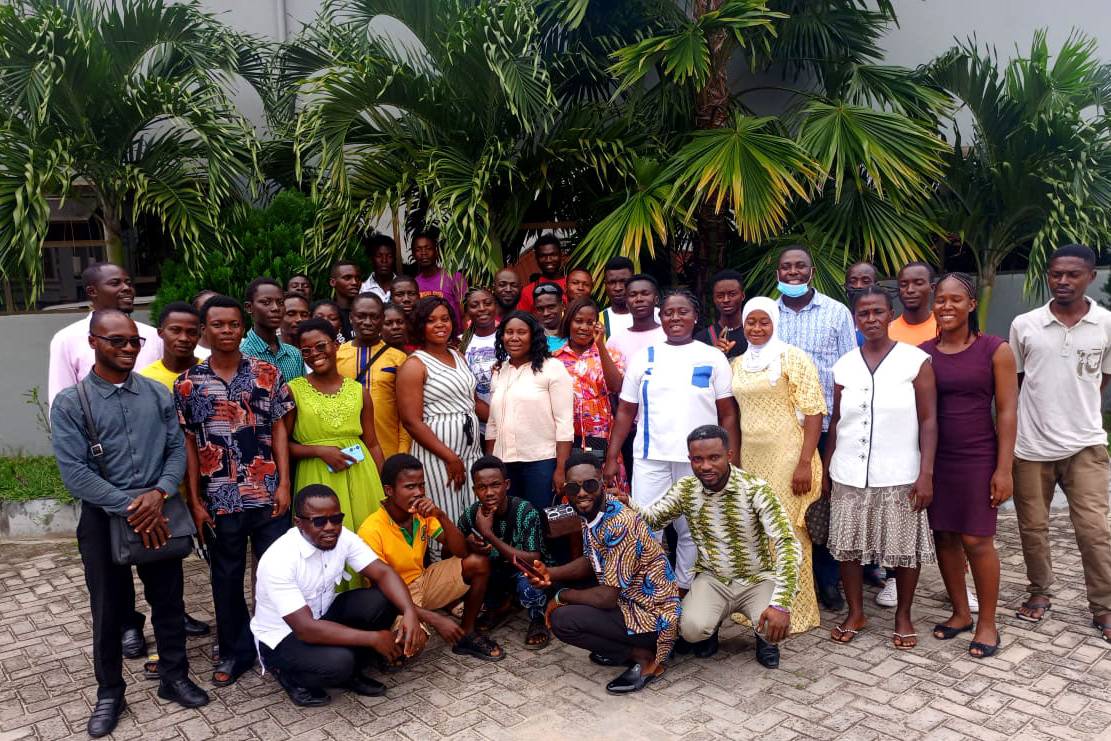
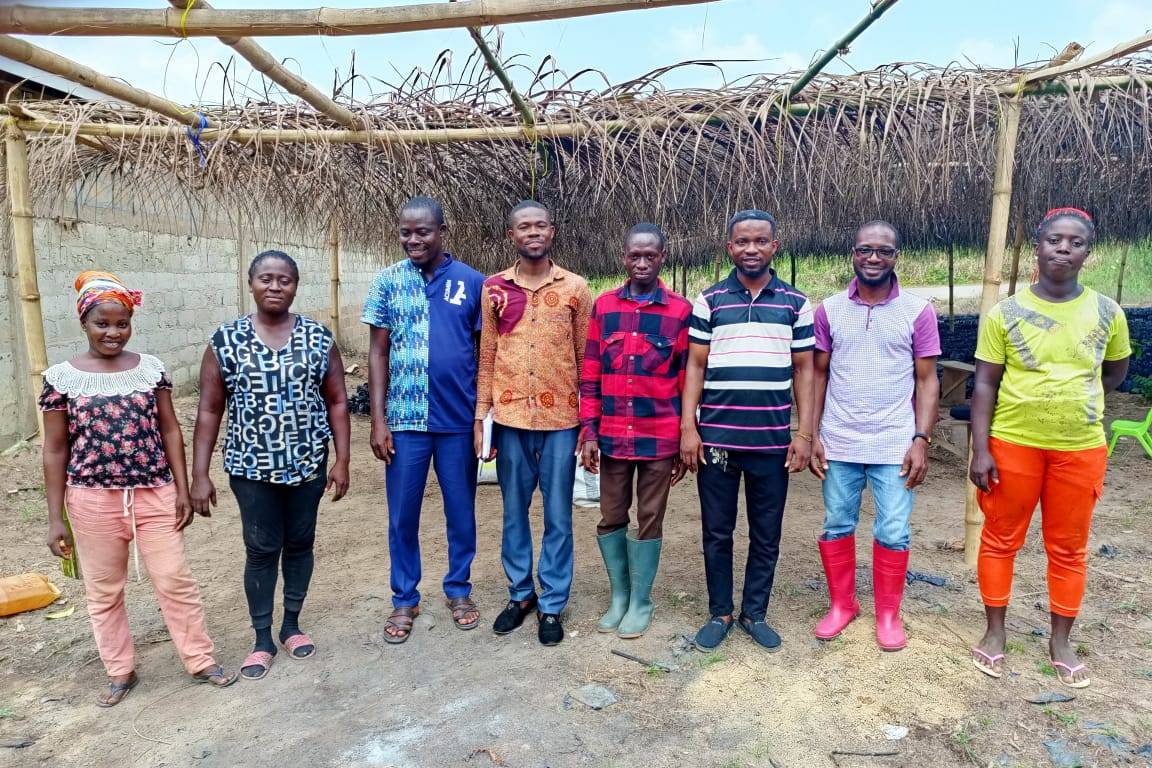
Pillar 06
Career Development & Guidance Counselling
Young adults in rural communities often face their futures without information, mentors, or a clear path forward. The Foundation’s career development programme changes that — giving youth the tools, confidence, and connections to pursue meaningful and dignified livelihoods.
Structured guidance sessions for JHS, SHS students, and community youth groups — exploring career pathways in agriculture, healthcare, education, entrepreneurship, technical trades, and digital skills.
Individual support for young adults facing academic or personal challenges — helping them identify their strengths, set realistic goals, and build a step-by-step plan to achieve them.
Connecting motivated youth with professionals from within and beyond the community — farmers, nurses, teachers, artisans, and business owners who provide ongoing advice, encouragement, and real-world perspective.
Community events where local employers, training institutions, and successful role models showcase opportunities and offer hands-on sessions in CV writing, interview skills, and apprenticeship applications.
For those not on an academic track, the Foundation facilitates enrolment in recognised apprenticeship programmes — welding, tailoring, plumbing, ICT, agro-processing, and more — building local skilled trade capacity.
Career guidance sessions for JHS, SHS students, and community youth groups
Career Pathways We Cover
- Agriculture & agribusiness
- Healthcare & community health
- Education & teaching
- Entrepreneurship & trade
- Technical & vocational skills
- Digital skills & ICT
VTI. Facilitated referrals to vocational training: welding, tailoring, plumbing, ICT, agro-processing & more
Six Pillars. One Shared Purpose.
Together, these programmes form an integrated ecosystem of community investment — addressing the environmental, physical, intellectual, and economic foundations that every thriving community needs.
Environmental Restoration
Community Health
Education & Youth
Water & Sanitation
Economic Empowerment
Career Development
Be Part of Something Larger Than Yourself
The Emfed Foundation welcomes partnerships with development organisations, government agencies, corporate donors, and individuals who share our commitment to sustainable, community-led impact. Together, we can go further.